
Are you searching for the top free and premium Long Tail Pro alternatives to level up your SEO strategy?
If so, you have come to the right place!
Long Tail Pro has long been recognized as an effective software tool for discovering low-competition long-tail keywords that rank quickly on search engine results pages (SERPs). If you are launching a new blog, niche site, or affiliate marketing campaign, conducting proper keyword research using robust analytical tools is essential to secure high organic rankings.
Having used Long Tail Pro extensively across multiple niche projects, I have seen firsthand how targeted long-tail phrases can drive steady organic traffic without requiring thousands of high-authority backlinks.
However, many content creators, bloggers, and SEO agency owners seek Long Tail Pro alternatives primarily due to subscription costs or limits on daily keyword lookups.
Before exploring the top alternatives, I highly recommend test-driving the tool yourself through its 7 days free trial offer.
Below is a detailed breakdown of the best Long Tail Pro alternatives Free and Paid, starting with zero-cost solutions followed by powerful premium tools.
Free Long Tail Pro Alternatives
1. UberSuggest
Ubersuggest is a popular keyword research and SEO management platform created by Neil Patel. While Ubersuggest offers premium plans for advanced tracking, it continues to provide a helpful free version with daily search allowances for beginner bloggers and marketers.

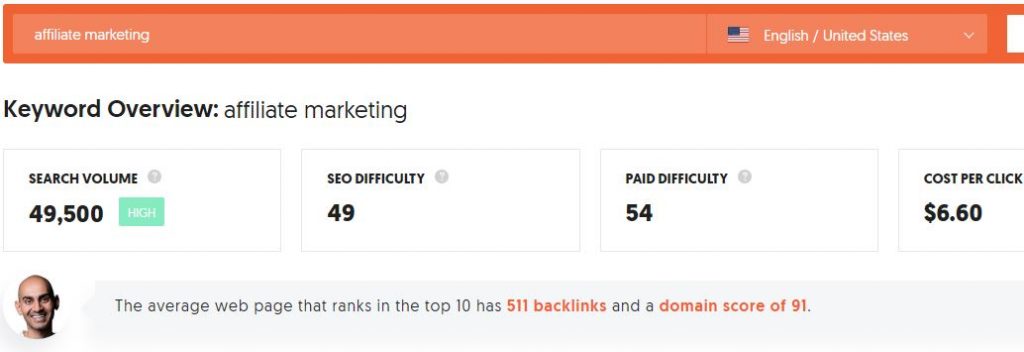
To start your research, navigate to the Ubersuggest search bar, enter your focus seed keyword, select your target country, and hit the search button.
Ubersuggest instantly displays an overview of the keyword’s search volume, cost-per-click (CPC), organic difficulty (SD), and paid difficulty (PD). This data allows you to quickly assess whether a query is worth targeting.
In addition, Ubersuggest estimates the average domain authority and backlink profile required to break into Google’s top 10 results. Analyzing backlink data is particularly useful when building outreach campaigns or determining whether to sell backlinks.
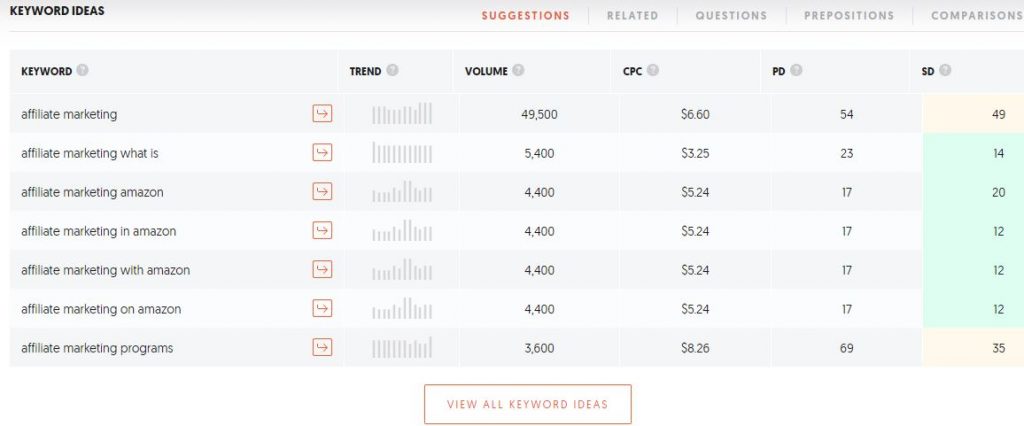
Scroll down to access the detailed “Keyword Ideas” section, which generates related queries, questions, prepositions, and comparisons.
This section provides metrics on long-tail variations, search volume trends, estimated traffic potential, and competitive difficulty scores, making it a well-rounded free alternative to Long Tail Pro.
2. KeyWordSheeter
KeywordSheeter (formerly Keyword Shitter) is a lightning-fast keyword generator that extracts hundreds of Google autocomplete suggestions in seconds with a single click.
In addition to raw keyword harvesting, KeywordSheeter provides add-on reports for search volume, CPC metrics, and SERP difficulty scores.
To use KeywordSheeter, visit the main dashboard and paste your seed keyword into the primary input box under the Free Keyword Tool section.
Click the “Sheet Keywords” button, and the tool will continuously generate long-tail keyword variations until you click “Stop Sheeting.”

Scroll down to view all the extracted search queries structured neatly in a table format.
You can export the entire list as a CSV file to filter out irrelevant search terms and isolate low-hanging keyword opportunities for your content calendar.

3. Google Search Engine Auto Suggest
Using Google’s built-in autocomplete function remains one of the most accurate, zero-cost methods to uncover real search terms entered by millions of users daily.
By applying simple wildcard search operators, you can identify hidden long-tail phrases. Incorporating these real-time search queries into your blog headers and subtopics helps satisfy search intent and boosts organic rankings.
Head to the Google home page and type your core phrase into the search box.
To uncover hidden variations, type two underscores and a space before your primary keyword (`__ keyword`). Google will automatically display long-tail autocomplete recommendations.

You can also insert underscores in the middle (`keyword __ keyword`) or at the end (`keyword __`) to discover additional commercial and informational keyword variations.

4. AnswerThePublic.com
AnswerThePublic.com is a consumer insight tool that aggregates search queries and presents them as visual, question-focused search clouds. It is ideal for identifying conversational long-tail queries and informational search intent.

Enter a core search topic into the search bar, select your language and region, and click search. AnswerThePublic categorizes search data into five distinct groups: questions, prepositions, comparisons, alphabeticals, and related searches.
Each category highlights practical search phrases that content creators can address directly in their content.
For instance, under the “Comparisons” section, you will find search queries comparing different software products or strategies.

Exploring these question clusters allows you to structure informative FAQ sections, target featured snippets, and build comprehensive content hubs that capture targeted long-tail traffic.
To summarize, the leading free options include Ubersuggest, KeywordSheeter, Google Autocomplete, and AnswerThePublic.
Premium Long Tail Pro Alternatives
While free keyword tools are great when starting out, upgrading to a professional premium suite provides advanced SERP metrics, competitor backlink profiles, historical rank tracking, and deeper keyword difficulty algorithms.
Premium alternatives streamline keyword research by surfacing ultra-low competition terms that yield rapid organic growth.
1. SpyFu
SpyFu is an all-in-one SEO and PPC competitor intelligence platform. Beyond basic keyword research, SpyFu provides detailed insights into organic competitor rankings, Google Ads campaigns, historical keyword rankings, and backlink opportunities.
SpyFu serves as a cost-effective alternative to Long Tail Pro, with pricing starting around $39 per month. In comparison, Long Tail Pro entry plans begin around $37 per month.
While the baseline price of Long Tail Pro is slightly lower, SpyFu offers broader competitive intelligence data, unthrottled search exports, and extensive historical PPC data without harsh daily limits.
Furthermore, SpyFu backs its platform with a generous 30-day money-back guarantee, providing significantly more peace of mind than Long Tail Pro’s 10-day policy.
Here is how to leverage SpyFu for discovering low-competition long-tail keywords:
Step 1. Log in to your SpyFu account, navigate to the Keyword Research tab, and enter your primary target term.

Step 2. Under the “Similar Keywords” module, click on “View All” to expand the dataset.
Step 3. On the right-hand panel, set the minimum word count filter (e.g., 3 or 4 words) to isolate long-tail queries, then hit apply.

SpyFu will display a filtered list of long-tail terms alongside search volume, estimated clicks, average CPC, and keyword difficulty scores.
2. Ahref
Ahrefs is widely regarded as an industry standard for backlink analysis, site audits, domain rating (DR) tracking, and keyword exploration.
By leveraging its advanced search filtering tools, you can easily surface valuable long-tail keywords that competitors have overlooked.
Ahrefs provides precise metrics on monthly search volume, global volume, keyword difficulty (KD), search intent trends, click metrics, and the estimated number of referring domains required to rank in the top 10 SERP results.
While standard Ahrefs subscription plans start at $99 per month—making it a higher investment than Long Tail Pro—it offers unmatched web index accuracy and comprehensive competitive metrics. Trial and starter access options are also available for short-term testing.
If you are looking for group access or discounted pricing options, you can explore specialized trial access at a very minimal price.
Here is how to extract low-competition long-tail keywords using Ahrefs Keywords Explorer:
Log in to Ahrefs, open Keywords Explorer, enter your core target topic, and press enter.

Ahrefs will present a comprehensive summary for your seed query, including Keyword Difficulty (KD), SERP overview, global volume distribution, traffic potential, and click data.
Next, click on “Matching terms” or “Having same terms” under the Keyword Ideas sidebar. Apply the “Word count” filter (setting a minimum of 3 to 5 words) and cap the Keyword Difficulty filter to find low-competition gems.

This filtered report displays long-tail keyword options with low competition scores and steady traffic potential, helping you rank higher on search engines with minimal backlink requirements.
3. Keyword Revealer
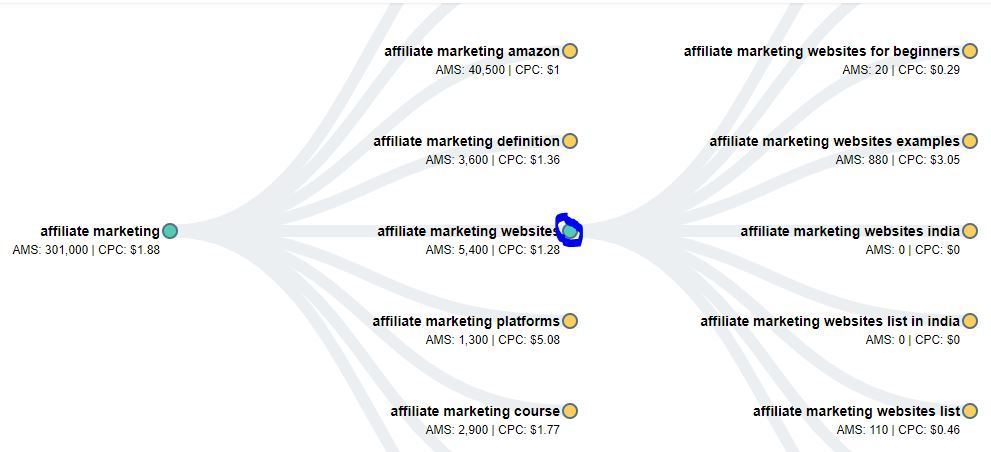
Keyword revealer is another effective keyword research platform that organizes related search ideas into interactive tree diagrams and structured lists.
Similar to Long Tail Pro, Keyword Revealer presents keyword ideas in an intuitive visual tree layout that simplifies semantic content planning.
Log in to Keyword Revealer, head to the Keyword Brainstorming module, and enter your main topic.
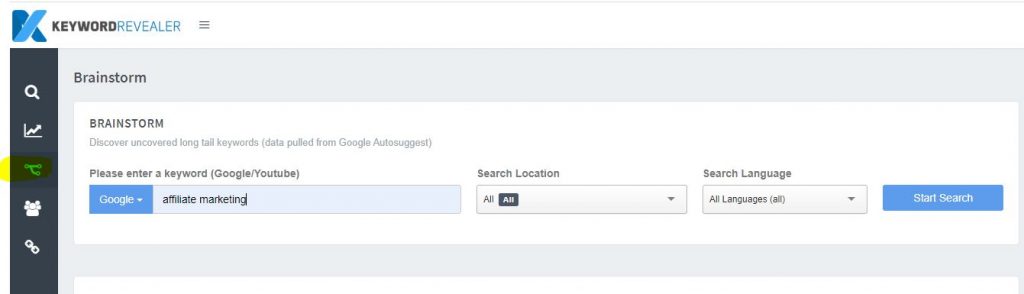
Upon clicking search, Keyword Revealer displays a primary seed node surrounded by sub-branches representing relevant long-tail variations, along with estimated monthly volume and average CPC.
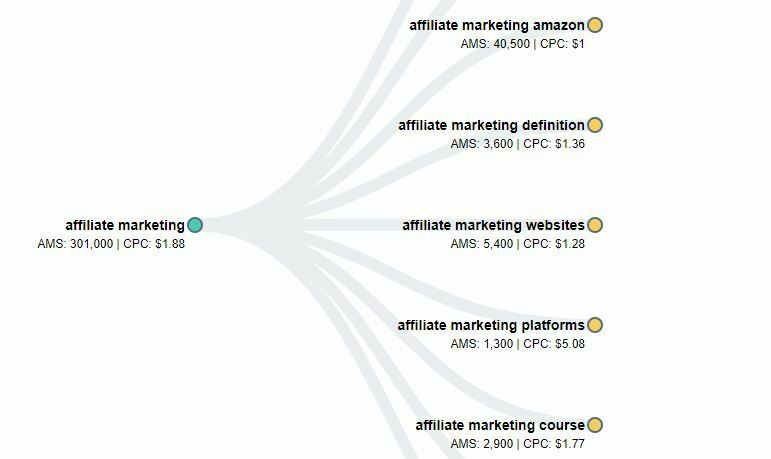
To dig deeper into specific topic clusters, simply click on the circular node next to any keyword branch.
Keyword Revealer expands the node to reveal additional long-tail keyword variations. This visual approach helps you build comprehensive topical authority and uncover niche search terms effortlessly.
Conclusion Long Tail Pro Alternatives
Finding the right keyword research tool depends on your budget, project scale, and technical requirements. Long Tail Pro remains an excellent tool for niche site builders, and if budget allows, testing out the full premium version of Long Tail Pro. is well worth considering.
If you are looking for free options, tools like Ubersuggest, KeywordSheeter, Google Autocomplete, and AnswerThePublic provide plenty of long-tail query ideas without requiring upfront investment.
For more robust, professional SEO tracking and competitor intelligence, premium tools such as SpyFu, Ahrefs, and Keyword Revealer offer the depth and accuracy needed to outrank competitors in search engines.