Are you looking to extend your website with custom features, but unsure how to install WordPress plugins manually? Whether you have just set up a fresh site or need to upload a premium plugin from a third-party developer, knowing how to install plugins step-by-step is a fundamental skill for every site owner.
In this comprehensive guide, we cover three reliable methods for manual plugin installation: searching the built-in repository, uploading a ZIP archive directly, and using FTP or cPanel File Manager when standard uploads fail. If you are also setting up your design, check out our tutorial on how to install free WordPress themes.
1. What Is a WordPress Plugin and Why Install Manually?
WordPress plugins are modular pieces of software that seamlessly integrate into your site to add new functionality or enhance performance. They allow you to turn a basic blog into an e-commerce store, build custom contact forms, or improve search engine optimization.
While most free plugins can be installed directly from the dashboard, you often need to install plugins manually when:
- You purchase a premium plugin from marketplaces like CodeCanyon or Envato.
- You receive a custom-built plugin ZIP file from a developer.
- Your server has strict upload file size limits (e.g.,
upload_max_filesizeerrors). - You are locked out of the WP Admin dashboard and need to deploy a fix.
2. Method 1: Search and Install via WordPress Dashboard
The easiest and most common way to install free plugins is directly through your WordPress dashboard via the official WordPress Plugin Directory.
Step 1: Search for Your Plugin
Log in to your WordPress admin area. In the left-hand menu, navigate to Plugins → Add New.
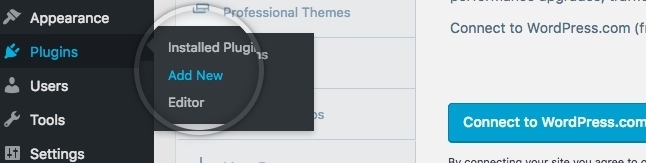
Use the search bar in the top-right corner to search for the plugin name or functionality (for instance, searching for SEO plugins like Rank Math or Yoast SEO).

Step 2: Install and Activate
Once you locate the plugin in the search results, click the Install Now button. WordPress will download and unpack the plugin files automatically.
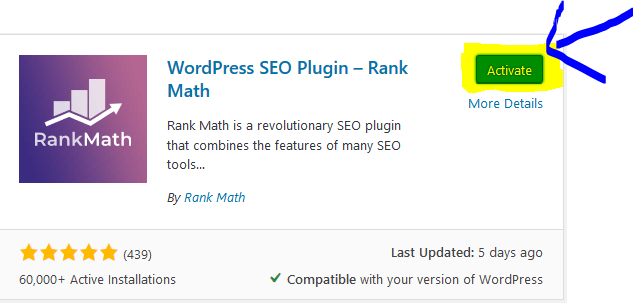
After installation finishes, the button will turn into a blue Activate button. Click it to make the plugin live on your site.
3. Method 2: Upload Plugin ZIP File via WP Admin
If you purchased a commercial plugin or downloaded a .zip file from a developer, you cannot search for it in the built-in directory. Instead, you can upload the ZIP file directly in the admin dashboard.
Step 1: Download the Plugin ZIP File
Ensure you have the plugin’s installation file downloaded onto your computer. Keep it as a .zip file—do not extract or unzip it.
Step 2: Upload and Activate in WordPress
In your WP Admin dashboard, go to Plugins → Add New, then click the Upload Plugin button at the very top of the screen.

Click Choose File, select the plugin .zip file from your computer, and click Install Now.
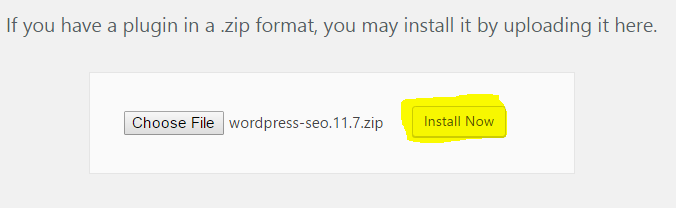
Once WordPress finishes uploading and extracting the archive, click Activate Plugin to complete the process.
4. Method 3: Upload via FTP or cPanel File Manager [Manual Fallback]
If your web host restricts PHP file upload limits or if WP Admin is throwing errors during upload, you can manually upload plugin files via FTP (using clients like FileZilla) or through your web host’s cPanel File Manager. If you are configuring your hosting environment, see our guide on how to install WordPress in cPanel.
Step 1: Extract the Plugin ZIP Archive
Unlike the WP Admin upload method, FTP requires unzipped folder files. Unzip the downloaded .zip archive on your local computer so you have a single folder containing the plugin files.
Step 2: Upload to /wp-content/plugins/ Directory
Connect to your server via FTP or open cPanel File Manager. Navigate to your website’s root directory, then open wp-content/plugins/.
Upload the extracted plugin folder directly into the /wp-content/plugins/ directory.
Step 3: Activate via WordPress Dashboard
Log back into your WordPress dashboard and go to Plugins → Installed Plugins. WordPress automatically scans the directory, so you will see your new plugin listed there. Simply click Activate under the plugin name.
5. Best Practices Before Installing Any Plugin
To keep your site safe, fast, and stable, keep these security guidelines in mind according to official WordPress Plugin Management Documentation:
- Create a Backup: Always take a full database and site backup before introducing new plugins.
- Check Compatibility: Ensure the plugin is tested with your current WordPress version and active PHP version.
- Avoid Clutter: Delete unused plugins rather than just deactivating them to keep your codebase lean and secure.
- Download from Trusted Sources: Only install plugins from official repositories or reputable third-party developers.
6. Video Tutorial: Step-by-Step Plugin Installation
If you prefer visual learning, watch this video walkthrough demonstrating manual plugin installation on a WordPress site:
7. Frequently Asked Questions & Conclusion
Installing plugins manually gives you complete control over expanding your WordPress site. Whether you use the search feature, upload a ZIP file, or upload directly via FTP/cPanel, always ensure your plugins are updated regularly to maintain security and peak performance.